
The real test of a rental rarely shows up on a spreadsheet. It emerges once repairs, renewals, and tenant communication become routine, especially when investing basics in Rogers influence how prepared owners are for hands-on realities rather than projections.
Across strictly residential portfolios in Rogers, single-family homes tend to reveal a calmer operating pattern. Their structure reduces overlap between households, keeps maintenance easier to anticipate, and ties demand closely to neighborhood characteristics. In the sections below, we’ll look at how single-family homes continue to support residential investing in Rogers, and how we at PMI Heritage help owners keep that momentum steady.
Key Takeaways
- Single-family homes limit shared living friction that complicates daily management.
- Rogers renters often stay longer when space and privacy support daily routines.
- Neighborhood-driven demand supports steadier rental pricing.
- Maintenance planning remains more predictable without shared systems.
- Residential portfolios can grow gradually with fewer operational surprises.
Lower Density Simplifies Daily Oversight
Property design shapes how often problems appear and how complex they become. Single-family homes usually involve fewer variables because one household occupies the entire structure.
Fewer shared conflicts
Multifamily buildings create constant interaction through parking areas, entryways, and common amenities. Those shared spaces frequently spark disputes that require intervention. Detached homes reduce those triggers by giving tenants clearer boundaries.
Clear responsibility paths
When maintenance issues arise, accountability is easier to determine. Without shared systems or communal areas, repairs stay contained, which speeds resolution and keeps documentation cleaner.
Outdoor Space That Supports Resident Stability
Outdoor space often influences renewal decisions more than interior finishes. In Rogers, many renters value having space they can use without coordination.
Here are several outdoor features that frequently encourage longer stays:
- Private yards that support pets and daily routines
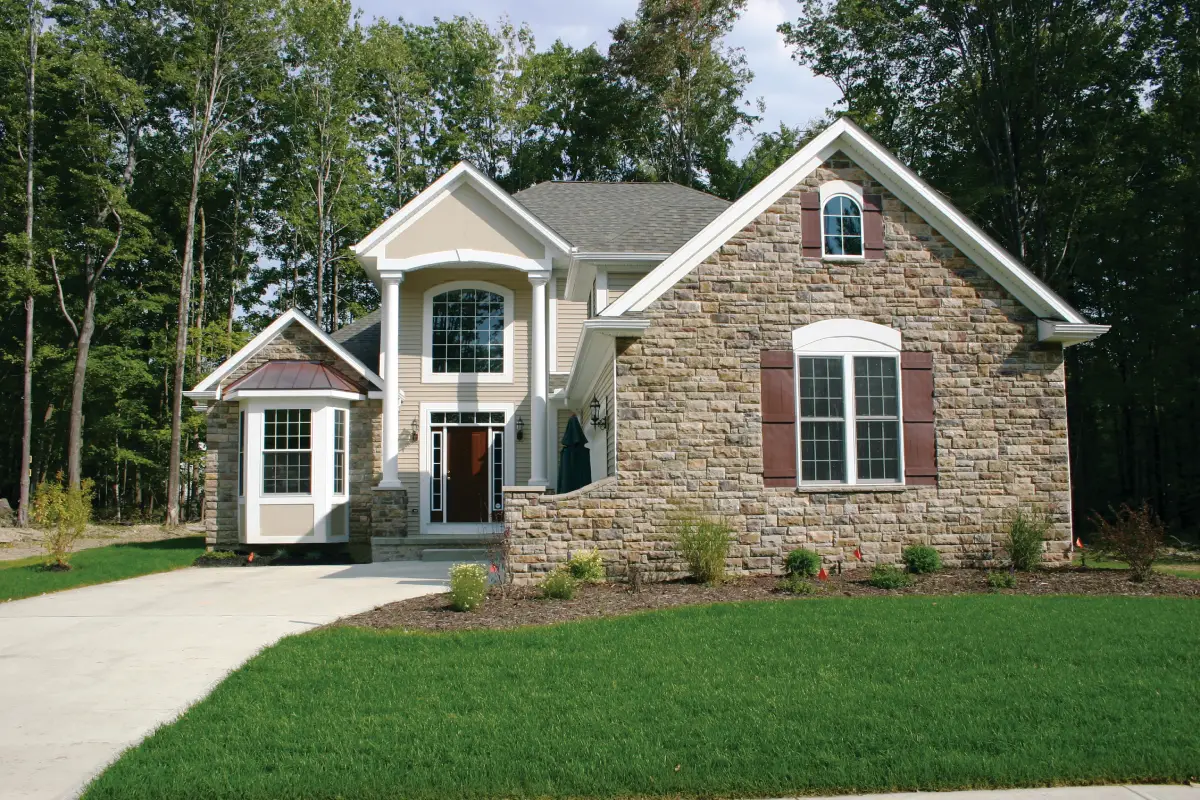
- Driveways that simplify parking and household logistics
- Porches and patios that extend usable living space
Homes that function comfortably beyond their interior walls often feel easier to settle into long term.
Floor Plans That Adjust as Life Evolves
Single-family homes often hold tenants longer because layouts adapt as needs change. Life rarely stays static, and flexibility matters.
Space that reshapes naturally
Extra bedrooms, defined living areas, and storage options allow residents to reconfigure how they use the home. A spare room becomes a workspace, or a dining area becomes a study, without forcing a move.
Matching property type to renter needs
Owners who align purchases with renter expectations often benefit from understanding finding the right rental dynamics that go beyond surface appeal and focus on livability.
Pricing Stability Rooted in Local Demand
Multifamily properties often compete internally when similar units become available at the same time. That environment can compress pricing quickly.
Single-family homes operate differently. They are evaluated based on location, condition, lot size, and parking, which allows pricing to reflect the individual property rather than a group of identical units.
National housing data continues to show strong interest in detached homes, with the median existing single-family home price reaching $426,800 in the third quarter of 2025, reinforcing long-term demand for private living arrangements.
Maintenance Planning Without Shared Systems
Maintenance planning often feels more controlled in single-family homes because repairs affect only one household at a time.
Predictable replacement cycles
With one HVAC system, one roof, and one plumbing network, replacement timelines are easier to forecast. That clarity supports better budgeting and fewer emergency repairs.
Routine planning often includes seasonal system checks, exterior inspections, and appliance replacement by age. Owners comparing opportunities often rely on property evaluation factors to balance condition with long-term upkeep costs.
Less Direct Competition During Leasing
Apartment-style rentals frequently compete with nearly identical units within the same structure. That setup can create price sensitivity and quicker turnover.
Single-family homes usually enter the market individually. Differences in layout, lot size, and street placement reduce direct comparisons and help listings stand apart.
Rental data reflects this distinction, with single-family rents reported as 20% higher than multifamily rents, highlighting how renters continue to prioritize space and privacy.
Insurance and Risk That Stay More Defined
Risk assessment often feels clearer with single-family homes. Fewer shared areas mean fewer gray zones when reviewing coverage needs.
Clear exposure lines
Detached properties limit shared liability points such as stairwells or communal amenities. This structure helps owners align coverage with actual risk and maintain consistency across residential holdings.
Growth Paths That Stay Measured
Single-family homes allow investors to expand gradually while refining systems along the way.
Financing and acquisition pacing
Residential financing options often support steady expansion rather than large acquisitions. Familiarity with managing profitable rentals helps owners align acquisition timing with operational capacity.
Alternative entry points
Some investors also evaluate homes that need repositioning. In those cases, understanding distressed property options can support informed decisions when aligned with long-term goals.
How we support residential owners
At PMI Heritage, we focus strictly on residential management. We help owners coordinate leasing, maintenance, and communication so properties remain efficient and resilient across Rogers.
FAQs about Single-Family Homes in Rogers, AR
How do single-family homes impact day-to-day decision-making for owners in Rogers, AR?
Owners often find decisions more straightforward because each property operates independently, which reduces overlapping variables and makes it easier to prioritize repairs, pricing, and upgrades.
What role does neighborhood consistency play in single-family home performance?
Stable neighborhoods tend to attract renters seeking predictability, which can support steadier leasing cycles and reduce frequent turnover compared to areas with rapidly changing tenant profiles.
How does exterior responsibility differ for single-family homes in Rogers, AR?
Exterior upkeep falls entirely under one household’s use, making it easier to monitor condition and address issues like landscaping or siding before they affect long-term property value.
Why do some investors prefer single-family homes when testing new markets like Rogers, AR?
Single-family homes allow investors to observe market behavior, tenant demand, and expense patterns without the complexity of managing multiple units at once.
How do communication expectations differ for tenants in single-family homes?
Tenants often expect clearer timelines and direct updates since any issue affects their entire living space, which places higher value on transparency and proactive communication.
A Clearer Path Forward for Rogers Investors
Confidence in a residential portfolio doesn’t come from theory, it comes from watching how a property holds up when repairs, renewals, and market shifts happen at the same time. Single-family homes in Rogers tend to offer that steadiness, giving owners more room to make decisions without constant course correction.
At PMI Heritage, we work with residential investors to turn that steadiness into day-to-day clarity and long-term momentum. Strengthen your residential ownership plan and take the next step with purpose.
