
Introduction
A lease agreement is one of the most important legal documents in any rental relationship. Whether you are a landlord renting out a property or a tenant looking for a safe and transparent place to live, a well-written lease agreement protects both parties. It clearly outlines rights, responsibilities, financial obligations, and expectations, helping to prevent misunderstandings and disputes.
Understanding what to include in a lease agreement is essential for compliance with local laws, smooth property management, and long-term success. In this comprehensive guide, we will break down every critical section of a lease agreement, explain why each element matters, and provide best practices to ensure your lease is thorough, professional, and legally sound.
1. Names of All Parties Involved
The lease agreement should begin by clearly identifying all parties involved. This includes:
The full legal name of the landlord or property owner
The full legal names of all tenants who will occupy the property
Including all adult occupants ensures everyone is legally responsible for complying with the lease terms, paying rent, and maintaining the property.
2. Property Description
A complete and accurate description of the rental property is essential. This section should include:
Full property address
Unit or apartment number (if applicable)
Type of property (single-family home, apartment, condo, duplex, etc.)
This removes any ambiguity about what space is being rented and protects both parties.
3. Lease Term and Duration
The lease term defines how long the agreement lasts. Common options include:
Fixed-term lease (e.g., 12 months or 24 months)
Month-to-month lease
This section should specify:
Start date of the lease
End date of the lease
Renewal terms, if applicable
Clear lease duration terms prevent confusion and disputes at the end of the tenancy.
4. Rent Amount and Payment Terms
Rent details are one of the most critical parts of any lease agreement. This section should outline:
Monthly rent amount
Due date (e.g., the 1st of each month)
Pro Rated Rent Amount and when it is due
Accepted payment methods (online portal, cashier’s check, money order, ACH.)
Where or how rent should be paid
Late Charges
Returned Payments
Clearly stating payment expectations helps avoid late payments and misunderstandings.
5. Security Deposit Information
The lease should explain everything related to the security deposit, including:
Deposit amount
When it is due
Conditions for deductions
Timeline for return after move-out
Make sure this section complies with state and local laws regarding maximum deposit limits and return deadlines.
6. Utilities and Other Fees
This section clarifies which utilities and fees are the tenant’s responsibility. Examples include:
Electricity
Water and sewer
Trash service
Gas
Internet and cable
If there are additional fees such as pet rent, parking fees, or renters benefit packages, they should be clearly disclosed.
7. Use and Occupancy Rules
A lease agreement should specify how the property may be used. This includes:
Residential use only
Occupancy limits
Restrictions on subleasing or short-term rentals
Prohibitions
Guests
Common Areas
Clear occupancy rules protect the property and ensure compliance with local housing regulations.
8. Parking Rules
Parking rules are an important part of a lease agreement, especially for multi-unit properties or homes with limited parking space. Clearly defined parking policies help prevent conflicts between tenants, neighbors, and property management.
This section should include:
Number of parking spaces allocated to the tenant
Designated parking areas (garage, driveway, assigned spot, street parking)
Restrictions on guest parking and time limits
Prohibition of parking on lawns, sidewalks, or fire lanes
Rules regarding commercial vehicles, recreational vehicles, boats, or trailers
Requirement that all vehicles be operational, registered, and insured
The lease should also state that improperly parked or unauthorized vehicles may be subject to towing at the tenant’s expense. Clear parking rules protect the property, maintain safety, and ensure fair use of shared spaces.
9. Pet Policy
If pets are allowed, the lease should clearly outline:
Number and type of pets allowed
Pet fees or pet rent
Breed or size restrictions
Tenant responsibility for pet-related damage
Service Animals
If pets are not allowed, this should also be explicitly stated.
10. Maintenance and Repairs
Clearly defining maintenance responsibilities helps protect the property and avoid disputes. The lease should state:
Landlord responsibilities (major repairs, structural issues, HVAC)
Tenant responsibilities (cleanliness, minor upkeep, reporting issues promptly)
Procedures for submitting maintenance requests
This section ensures accountability on both sides.
11. Rules and Regulations
House rules help maintain order and protect the property. These may include:
Noise restrictions
Smoking policies
Trash disposal guidelines
Landscaping
Repairs ans Re-keying; Replacement
Including these rules in the lease makes them legally enforceable.
12. Entry and Access Rights
Landlords typically have the right to enter the property for inspections, repairs, or emergencies. This section should explain:
Notice requirements
Acceptable reasons for entry
Emergency access rules
This protects tenant privacy while allowing proper property management.
13. Lease Violations and Termination
This section explains what happens if the lease is violated. It should cover:
Late payment consequences
Notice requirements for violations
Grounds for lease termination
Early termination terms and fees
Clear consequences encourage compliance and provide legal protection.
14. Emergency Contact Information
Emergency contact information in a lease ensures the landlord can quickly reach someone in case of tenant or property emergencies.
The lease agreement should require tenants to provide:
At least one emergency contact name
Relationship to the tenant
Phone number and email address
Authorization for the landlord to contact this person in emergencies
This information may be used in situations such as medical emergencies, fire, flooding, extended tenant absence, or other urgent matters requiring immediate attention. Tenants should also be required to keep their emergency contact information current throughout the lease term.
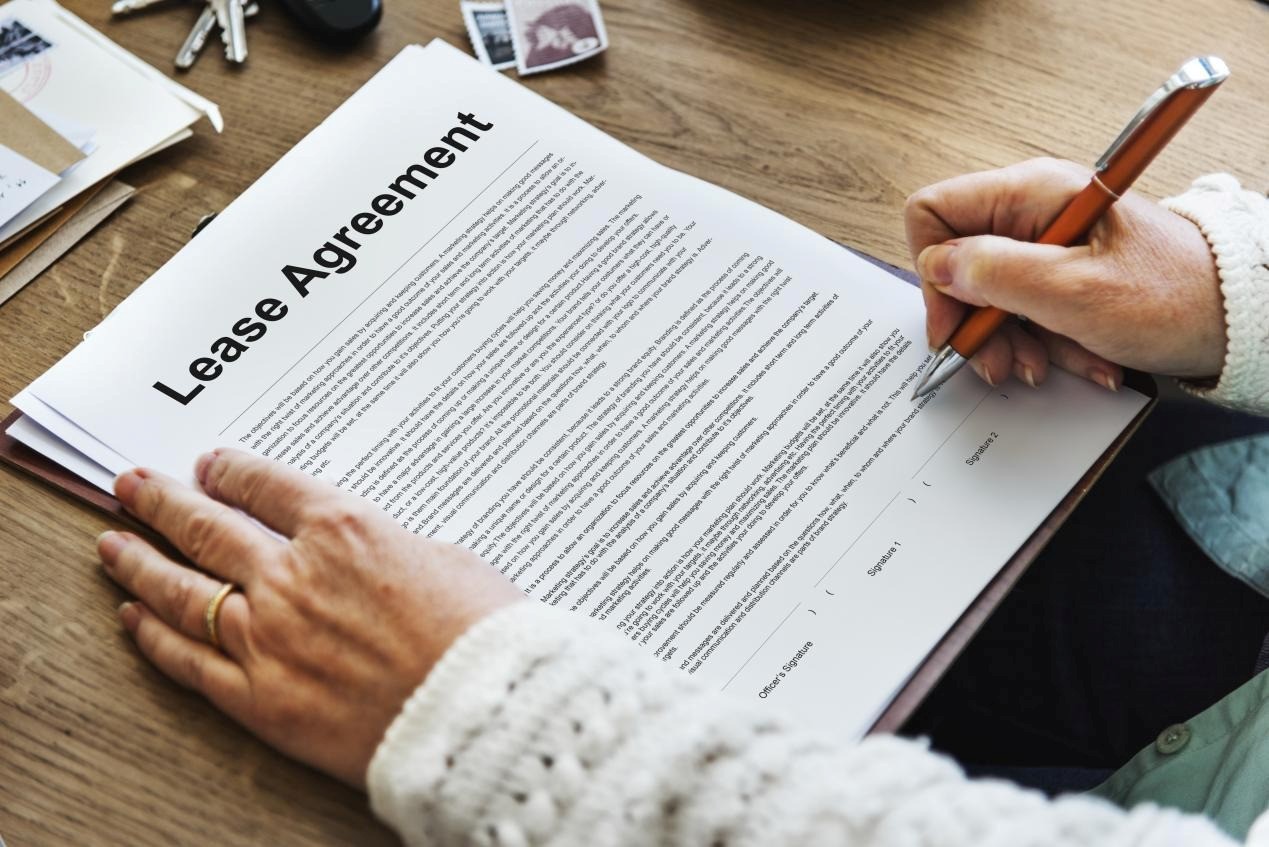
15. Signatures and Dates
A lease agreement is not valid without signatures. Make sure to include:
Signature lines for landlord and tenants
Date of signing
Once signed, the lease becomes a legally binding contract.
16. Other Agreements
Lease agreements often include additional provisions to cover specific needs or protections. Common “other agreements” include:
Residential Insurance: Tenants may be required to carry renter’s insurance to protect personal belongings and liability.
Resident Benefit Package: Optional services or amenities provided to tenants, such as maintenance, trash removal, or concierge services.
Guarantor Agreement: A co-signer who guarantees rent payment if the tenant fails to pay.
Pet Agreement: Rules, fees, and responsibilities for tenants with pets.
Including these agreements in the lease ensures both parties understand responsibilities and helps prevent disputes.
FAQs
Q1: Is a lease agreement legally required?
While verbal agreements can be valid in some areas, written lease agreements are strongly recommended for legal protection.
Q2: Can a lease be modified after signing?
Yes, but only if both parties agree in writing to the changes.
Q3: What happens if a tenant breaks the lease?
The lease should outline penalties, notice requirements, and potential fees for early termination.
Q4: How long should I keep a copy of the lease?
Both landlords and tenants should keep a copy for the duration of the tenancy and several years afterward.
Knowing what to include in a lease agreement is essential for protecting your investment and ensuring a positive landlord-tenant relationship. A clear, detailed, and legally compliant lease minimizes disputes, sets expectations, and provides peace of mind for everyone involved. Whether you are drafting a new lease or reviewing an existing one, using this guide will help you create a strong foundation for a successful rental experience.
PMI residential property managers follow a proven process throughout the rental cycle, maximizing everything from marketability to rental price. And if there’s any maintenance required, we’ve got you covered. Our licensed and insured vendors will take care of it. Trust the power of the process and enjoy the peace of mind a good property manager provides.
Hire a Rental Property Management Company in Northwest Arkansas
Rental property management companies offer many benefits for landlords who want to enjoy the benefits of owning investment property in a growing city. Experienced property managers can help streamline property repairs, but their fees don't include the cost of this work.
PMI Heritage is a leading Northwest Arkansas property management company. We offer many services to help you thrive as a landlord in this exciting city.
Our services include rent collection, property inspections, and maintenance coordination. We will ensure your rental home is always well-maintained by attending to repairs swiftly.
Discover how we can help you make the most of your Northwest Arkansas and Fayetteville AR, investment properties today.
